
Beyond the Couch: Mental Health Care Goes Out of Office
by Nick Francis
A D2C Transition Powered by Telemedicine

It’s hard to understate the acceleration of change due to the COVID-19 pandemic. Mental health care is no exception. The category was already trending away from traditional methods of care prior to 2020. Presently, it seems to be riding the wave of social distancing while rapidly transitioning to a D2C model. This paves the way for a shifting mental health offering centered around telemedicine and a more consistent care cadence.

Telemedicine comes with its share of drawbacks, but in the mental health field where the patient doesn’t need to be physically examined, it’s changing the game.
As our remote lives continue for the immediate future, patients are embracing online subscription-based treatment that can actually provide them with more consistent support.
Disrupting An Insurance Outlier

The current insurance infrastructure can make it difficult to engage with consistent mental healthcare. Many providers won’t even accept insurance, and many insurers won’t cover mental healthcare. This leaves patients constantly trying to find a balance for maintaining their wellness: having to change doctors or therapists, going to different offices, and dealing with shifting scheduling.
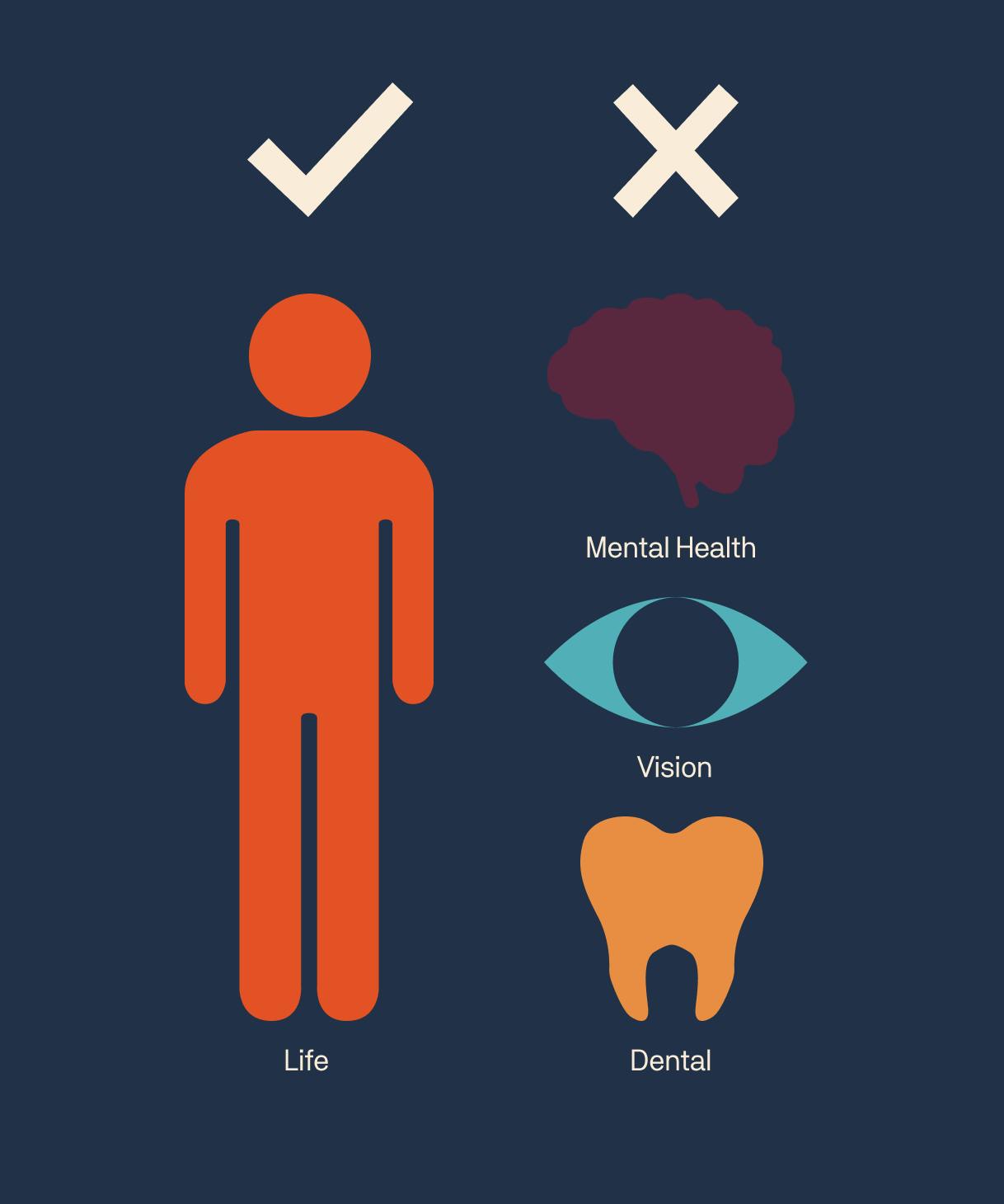
The D2C model offers alternatives. Although pricing has remained the same compared with in-person office visits, the options for care dramatically increase, no matter where in the country you are located.
These D2C models are also serving other trouble areas for patients when it comes to insurance-coverage outliers. We saw it happen with Warby Parker’s ability to bring the cost of eyeglasses down to $99, virtually ending the need for glasses to be covered under vision plans. Brands like Invisalign and Candid are providing a modern, easy experience for dental and orthodontic services.
Subscribe to a New Picture of Mental Health

With these in mind, it’s a natural progression to apply this D2C thinking to the mental health field. We first saw this with talkspace, a product that connects each person with a therapist for a monthly subscription price, and has different scaled offerings like chat, video calls, and voicemail messages.

We’re now seeing more players in this space who are intent on combining the care that users expect with user-centric digital experiences that prioritize affordability and accessibility.
One emerging company, Real, provides lower-cost access to virtual video therapy. Since many people pay out of pocket, and so many people are doing remote sessions, this provider is positioned to provide wide scale support with their online-first, low-cost subscription model.
A Digital Trajectory For Better Care

We are witnessing the mental healthcare industry finally catch up to the needs of a huge number of its patients.

Traditional mental health professionals are being forced to re-evaluate their offering and pricing to stay competitive, while patients gain accessibility and choice. As this trend continues, digital D2C pricing will challenge that of in-person visits.
The result of these shifts is a new, necessary, digital-first mindset when it comes to the services practitioners are offering. They will need to engage with this growing demand for accessible care and leverage HIPAA-compliant digital platforms to be able to provide the consistent, remote support that patients will increasingly expect.
WORDS BY
ASSOCIATE CREATIVE DIRECTOR
NICK FRANCIS
SR. EXPERIENCE STRATEGIST
TATIANA CHILCOVSKY